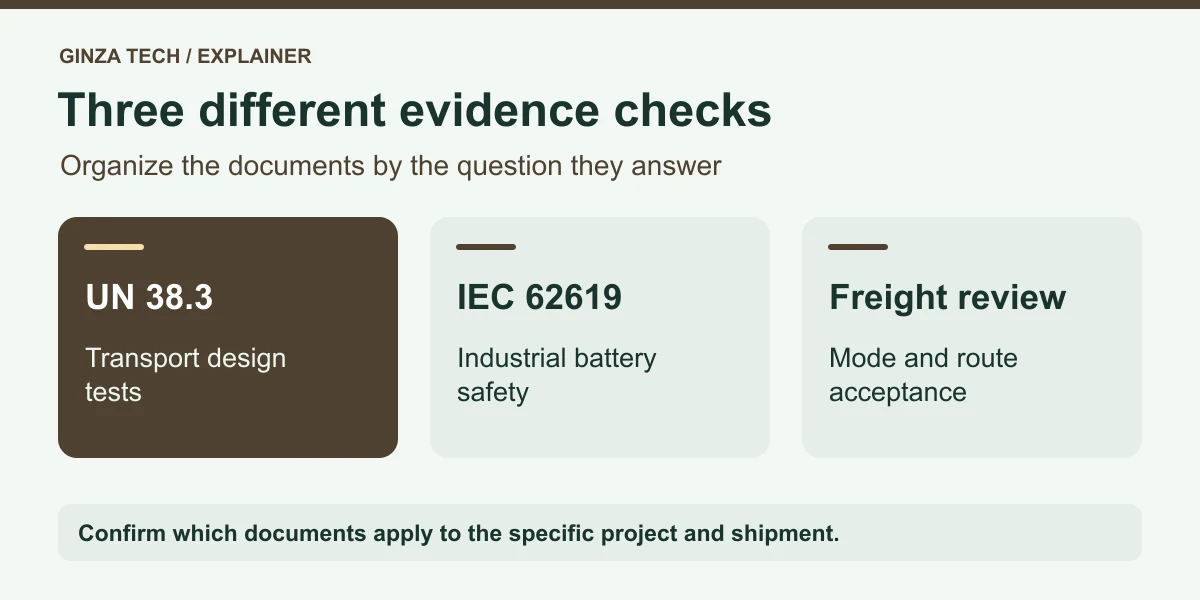
For a stationary lithium battery purchase, request the UN 38.3 battery test summary covering the exact battery design and check it against the supplier’s quotation and nameplate. It documents a battery design’s transport testing. IEC 62619 covers industrial lithium battery safety requirements and tests, including stationary uses. The shipment itself still needs a route-specific review by the responsible dangerous-goods shipper or forwarder.
This checklist is for distributors, installers and commercial buyers reviewing a purchase order for the Philippines or Malaysia. It helps buyers match the evidence to a product and identify gaps before dispatch. The carrier, route and shipment condition determine which documents and procedures apply on the shipping date.
Start with the battery on the quotation
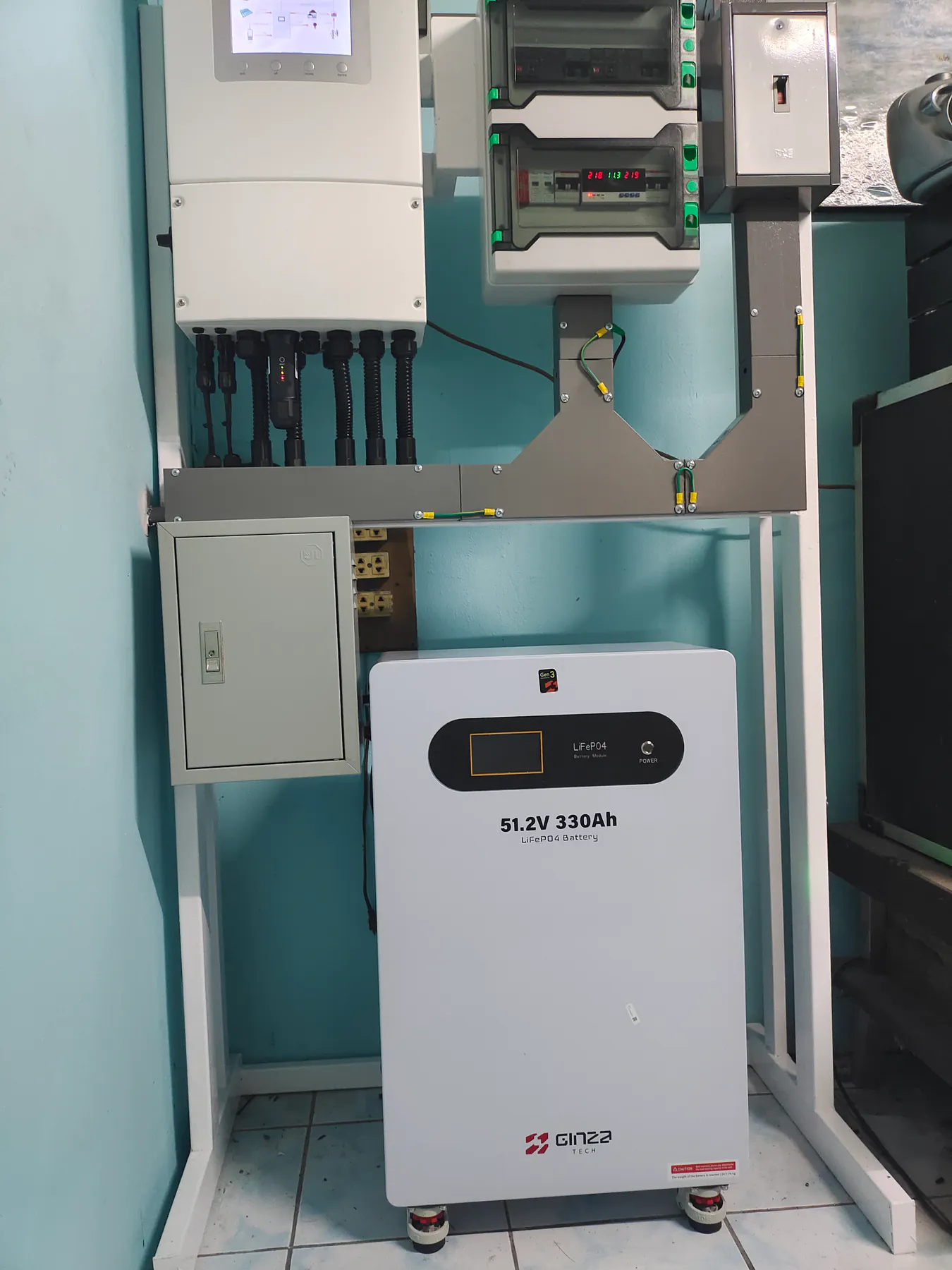
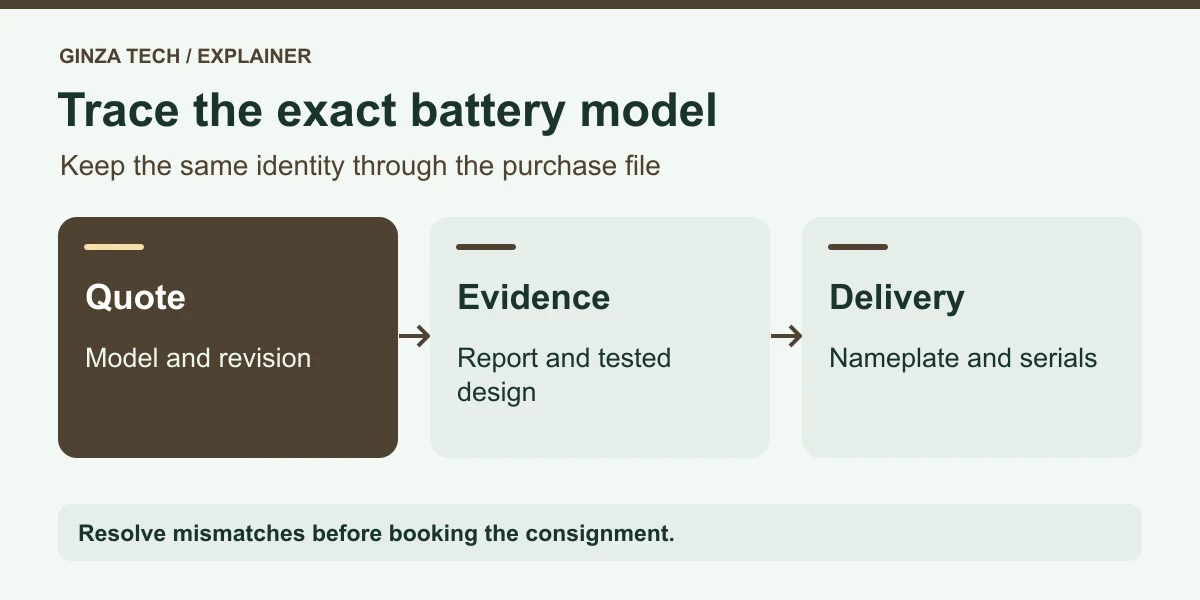
Record the manufacturer, exact model and revision, nominal voltage, rated capacity and mass. Confirm whether the order is for complete battery packs, individual modules or a system supplied with batteries installed. Get a legible copy of the nameplate and ask which serial or batch range will ship. For an OEM order, document how the private-label model maps to the tested design.
For example, 51.2 V multiplied by 110 Ah gives 5,632 Wh nominal. That arithmetic helps spot an inconsistent document, but matching watt-hours alone cannot establish that two designs are the same. Different enclosures or protection designs can share the same energy rating. Ask the supplier for written traceability if the commercial model and report description differ.
Read the UN 38.3 summary as evidence of a design
The UNECE Manual of Tests and Criteria and amendments provide the international test framework. The summary provides traceable information about the tested design and its results. Look for the manufacturer and testing laboratory, report identifier and date, the battery description and model, and results for the relevant tests. Check the referenced edition and the person responsible for the document. The U.S. PHMSA test-summary explainer shows how those fields can be presented.
A supplier may provide a summary sheet or a document link. A neat layout is less useful than a reliable relationship between the document and the battery offered for transport. For a new revision or variant, ask what changed and which test evidence covers it. Record the supplier’s explanation with the quotation so procurement, warehouse and freight teams use the same reference.
Ask each document to answer one question
| Document or record | Question it helps answer | What to cross-check |
|---|---|---|
| UN 38.3 test summary | Which design is covered by transport test evidence? | Model, watt-hours, mass, report ID and manufacturer |
| IEC 62619 report or certificate, if specified | What industrial battery safety evidence is in scope? | Edition, lab or issuer, model and limits of scope |
| Safety data sheet, when applicable | What handling and emergency information is available? | Revision, issuer and product identification |
| Shipment-specific records | How will this consignment be accepted? | Mode, route, packaging, carrier and shipment condition |
The IEC 62619 scope includes industrial secondary lithium cells and batteries used in stationary applications. Check whether the evidence you received covers the cell, pack or larger assembly required by your specification. System installation, electrical integration and site acceptance require their own evidence. Ask the purchaser or approving party what they require before placing the order.
Resolve discrepancies before booking freight
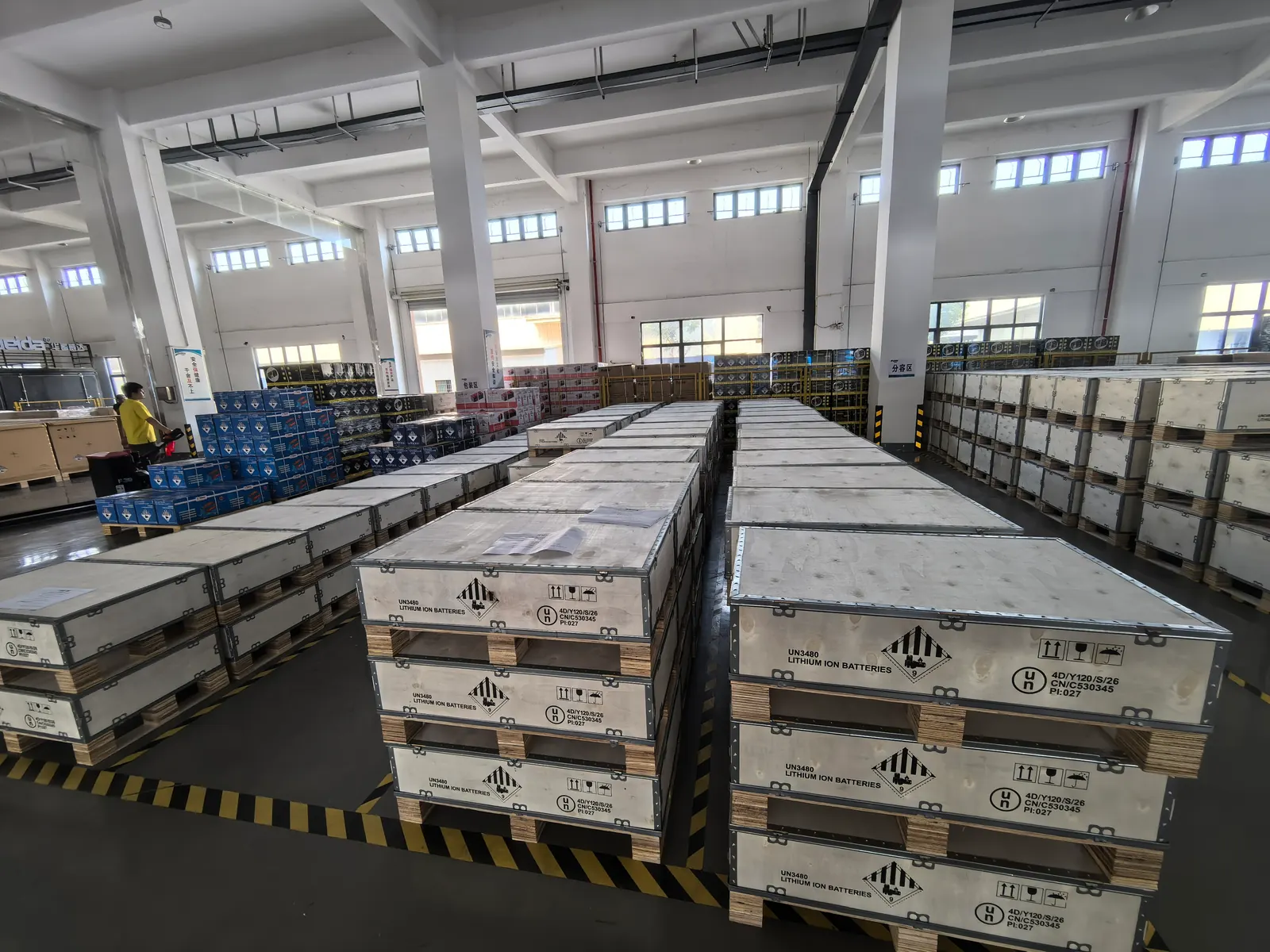
Suppose a purchase order names a 110 Ah pack while the supplier sends a summary for a 220 Ah model. Put the document review on hold and ask for the summary matching the ordered pack or a documented explanation of the listing. Check that the carton markings, packing list and factory nameplate follow the agreed identity. For a multi-model order, keep a separate cross-reference for each model and its cartons.
Use a separate workflow for returned, damaged, defective or recalled equipment. Tell the trained shipping party what happened and have them assess the permitted route. A return can need a different approach from the original delivery. The current IATA battery shipping publications and the IMO IMDG Code information point to the applicable frameworks for air and sea. Check the edition, carrier acceptance and local requirements for the actual consignment.
Keep a procurement file the service team can use
- Save the approved quote, model cross-reference and final nameplate record together.
- File the transport test summary and any industrial safety evidence with its issue date and scope.
- Identify the person responsible for route classification and the final shipment package.
- Record the equipment manual, supported inverter pairing and warranty contact before handing the purchase to the installation team.
- Retain the delivered serial numbers and tie them back to the order and site acceptance records.
For project evidence beyond shipping, see the commissioning checklist and the battery location guide. Obtain the inverter pairing evidence for the same revision. In procurement, separate the model scope, transport scope and installation scope so the right team can close each item. GINZA’s published document previews help identify available evidence types. Request the complete current documents for the exact quoted model; a redacted preview is not a shipment approval.
Make document review a condition of dispatch
For a mixed-model order, prepare a simple purchase register with one row per model and revision. Include ordered quantities, packaging references, the report or summary identifier, any unresolved discrepancy and the person who must clear it. The freight team can then compare the final packing list with the register without searching through an email thread. Ask the supplier to notify the buyer before replacing a model or changing the way the batteries are packed.
On delivery, the installer should be able to connect the equipment labels to the order record and manuals. Store the evidence in a place that also serves warranty and after-sales support. If a shipment contains a replacement unit, make sure the revised unit appears in the same register with its own identity and evidence. A purchase file that stops at the initial quote will be harder to use when a distributor needs to confirm exactly which version reached the site.
For commercial work, agree who reviews the evidence at quotation, pre-dispatch and site handover. These are different milestones and may involve different people. Give each person the model register so a discrepancy found at one step remains visible at the next.
Ask the buyer and forwarder how they want revisions identified and where the final approval record is kept. An old report copied into a new order can be difficult to spot if the file name contains only the chemistry and capacity. A named model and a report identifier make the relationship reviewable without exposing unnecessary internal information.
Sources and interpretation
The references distinguish transport test evidence, industrial battery safety scope and shipment acceptance. They do not make every document valid for every model, route or revision. Verify the actual tested design, relevant edition and carrier requirements with the responsible supplier and trained shipping party before dispatch.
- UNECE Manual of Tests and Criteria and amendments
- U.S. PHMSA test-summary explainer
- IEC 62619 scope
- IATA battery shipping publications
- IMO IMDG Code information
Frequently asked questions
Can I use the cell summary for the finished battery pack?
Ask the supplier and trained shipping party to identify the evidence required for the battery design being shipped. A cell report alone does not establish coverage for a different assembled design. Document any applicable assembly provisions and the actual product match.
Does an SDS answer the UN 38.3 question?
An SDS describes safety and handling information for its identified product. Request the test summary or the traceable test information for the actual design separately.
What do I send GINZA for a document review?
Send the model and revision, destination, transport mode, proposed delivery format and your buyer’s specification through the project enquiry form. For product selection, compare the low-voltage battery range and confirm the exact order model before requesting its evidence pack.